
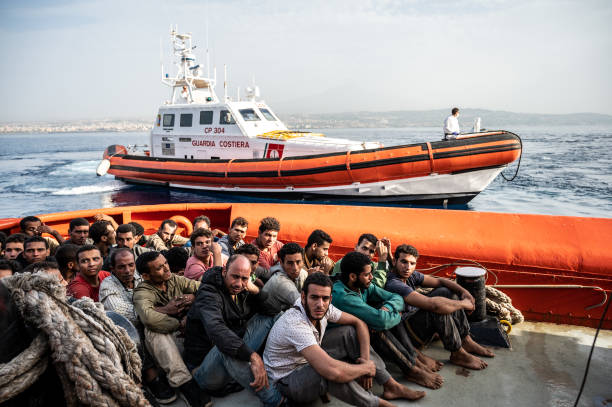
Italy occupies a unique position in the global refugee landscape. As a primary entry point into the European Union for migrants and asylum seekers crossing the Mediterranean Sea from North Africa and the Horn of Africa, Italy processes hundreds of thousands of asylum claims each year. The asylum determination process is complex, formal, and consequential — and for applicants who do not speak Italian, it is entirely inaccessible without professional interpretation.
Interpreters working within Italy’s asylum and refugee protection system serve one of the most vulnerable populations in the country. Their work directly affects the outcome of asylum claims, the safety of individuals fleeing persecution, and the integrity of a system built on international law and human rights principles. This career is deeply meaningful, intellectually challenging, and increasingly in demand.
The Asylum Process and the Role of the Interpreter
Italy’s asylum procedure involves several stages where interpretation is required. Upon arrival and registration, asylum seekers submit their first declaration to police (questura) and are provided with information about the procedure. During this phase, interpreters are needed to explain the process, collect initial biographical data, and ensure that individuals understand their rights and obligations.
The most critical stage is the hearing before the Territorial Commission for International Protection Recognition (Commissione Territoriale per il Riconoscimento della Protezione Internazionale). In this formal setting, the applicant presents their personal history, the reasons they fled their country, and the dangers they would face if returned. The interpreter’s role here is extraordinarily sensitive: any mistranslation, omission, or cultural misunderstanding can lead to a wrongful rejection of a legitimate protection claim.
Beyond the hearing itself, interpreters work in reception centers (centri di accoglienza), legal aid offices, health services, social services, and schools attended by asylum-seeking children — wherever non-Italian-speaking individuals need to communicate with Italian institutions.
Skills and Competencies Required
Interpreters in the asylum context need far more than bilingual fluency. They must have in-depth knowledge of the political, social, cultural, and historical context of the countries from which asylum seekers originate — necessary to accurately interpret references to specific places, events, factions, or practices that may have direct bearing on credibility assessments.
They must also be skilled in trauma-sensitive communication. Many asylum seekers are survivors of torture, sexual violence, persecution, or traumatic migration journeys, and interpreters frequently encounter graphic accounts of abuse and suffering. Professional interpreters receive training in managing secondary traumatic stress and maintaining psychological boundaries while remaining compassionate and accurate.
Cultural competence is essential: understanding concepts of family honor, gender-based violence, religious persecution, ethnic identity, or forced marriage as they are understood in different cultural contexts ensures that these complex realities are conveyed faithfully to decision-makers who may have no prior exposure to them.
Training and Certification
Specific training programs for asylum and refugee interpreting are offered by several organizations operating in Italy. UNHCR Italy, IOM, Caritas Italiana, the Centro Astalli (the Jesuit Refugee Service in Italy), Amnesty International, and regional legal aid associations all provide training that combines language skills with knowledge of international refugee law, asylum procedures, trauma-informed communication, and professional ethics.
Some universities offer master’s programs in international protection or refugee law that include components on interpretation and communication in humanitarian contexts. The European Asylum Support Office (EASO, now EUAA) has also published guidelines on interpreting in asylum procedures that form part of training curricula across Italy and Europe.
Certification as an asylum interpreter typically comes through organizational recognition rather than a formal national credential, but professional portfolios, training certificates, and references from established NGOs carry significant weight with potential employers.
Employment and Compensation
Asylum interpreters in Italy are employed by a diverse range of organizations. Government-contracted reception centers (SIPROIMI, SAI, and MSNA projects) hire interpreters directly or through specialized cooperatives. Territorial commissions contract with language service providers. NGOs with legal aid programs employ interpreters for client consultations and representation.
Pay rates typically range from €15 to €30 per hour for freelance work, with full-time positions in larger organizations offering monthly salaries in the €1,400 to €2,000 range. While the rates are not always high given the complexity of the work, many interpreters in this field are motivated by a sense of mission and solidarity with the communities they serve — particularly those who themselves have experienced migration or displacement.
The field also offers considerable opportunities for professional development, international exposure, and the satisfaction of contributing to justice for some of the world’s most vulnerable people.
Conclusion
Interpreting for asylum seekers and refugees in Italy is among the most impactful and morally significant work available to multilingual professionals. The career demands exceptional linguistic skill, cultural depth, ethical discipline, and emotional resilience — but it offers in return a profound sense of purpose and a direct contribution to the protection of human rights. As Italy continues to receive and process asylum applications, the need for skilled interpreters in this sector remains urgent and enduring.




Leave a Reply