
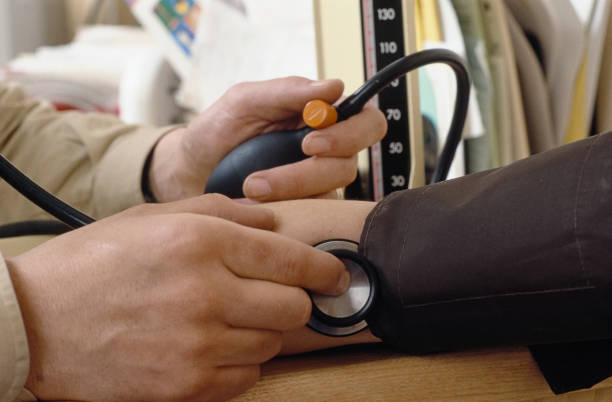
Italy’s healthcare system, the Servizio Sanitario Nazionale (SSN), is consistently ranked among the best in the world. At the heart of this system lies the General Practitioner (GP), known in Italian as the Medico di Medicina Generale or Medico di Base. This role serves as the primary gateway through which millions of Italians access healthcare every year. For foreign-born and immigrant professionals seeking a rewarding healthcare career in Italy, becoming a GP represents one of the most impactful and stable career paths available.
The demand for GPs in Italy has been steadily increasing over the past decade, driven by an aging population and the gradual retirement of older physicians. Italy faces a projected shortage of general practitioners, particularly in rural and southern regions, creating significant opportunities for qualified medical professionals from abroad who meet the country’s rigorous licensing standards.
Role and Responsibilities
A General Practitioner in Italy serves as the first point of contact for patients seeking non-emergency medical care. The role encompasses a wide range of duties: diagnosing and treating acute and chronic illnesses, issuing referrals to specialists, prescribing medications, providing preventive care, and maintaining long-term therapeutic relationships with patients.
GPs in Italy are typically self-employed professionals operating under conventions (convenzioni) with the SSN, meaning they work independently but receive remuneration from the national health service on a per-capita basis — they are paid for each patient registered on their list. Each GP can have up to approximately 1,500 patients, though this figure may vary depending on regional agreements.
Beyond direct patient care, Italian GPs are also responsible for home visits for patients who are unable to travel to the clinic, completing administrative tasks such as medical certificates, disability assessments, and digital health records management through the national electronic health record system (Fascicolo Sanitario Elettronico).
Qualifications and Licensing Requirements
To practice as a General Practitioner in Italy, candidates must complete a six-year degree in Medicine (Laurea Magistrale in Medicina e Chirurgia), followed by a one-year internship (tirocinio) and passing the national State Exam (Esame di Stato) to obtain the license to practice (abilitazione professionale). Registration with the Provincial Medical Association (Ordine dei Medici Chirurghi e degli Odontoiatri — OMCeO) is also mandatory.
For EU citizens who graduated abroad but hold recognized qualifications, their degrees are generally recognized within the EU framework. Non-EU professionals face a more complex process: their qualifications must be evaluated and potentially validated (riconoscimento del titolo di studio) through the Italian Ministry of Health. Language proficiency in Italian is essential and typically verified through official certification tests (B2 or C1 level of the CEFR framework).
Additionally, GPs who wish to work under the SSN convention must complete a specific three-year post-graduate specialization course in General Medicine (Corso di Formazione Specifica in Medicina Generale), which is both theoretical and practical and ends with a state-recognized diploma.
Salary and Working Conditions
Italian GPs working under the SSN earn based on a combination of per-capita payments and various performance-based bonuses. On average, a GP in Italy earns between €55,000 and €100,000 gross per year depending on the size of their patient list, seniority, and region of practice. Northern Italian regions such as Lombardia, Veneto, and Emilia-Romagna typically offer better compensation packages and infrastructure.
Working conditions are generally structured around clinic hours (usually morning and afternoon sessions), with obligations for home visits and participation in continuing medical education (ECM — Educazione Continua in Medicina). GPs must accrue a minimum number of ECM credits annually to maintain their professional standing.
Overall, the profession offers considerable autonomy, social prestige, and job security — making it a highly sought-after career within Italian society. For immigrant healthcare workers, it also offers a meaningful way to integrate into Italian communities while contributing positively to public health.
Cultural Competence and Language
For foreign-born GPs or those treating immigrant communities in Italy, cultural competence is an increasingly valued skill. Italy’s immigrant population has grown substantially in recent decades, and many patients from sub-Saharan Africa, Eastern Europe, the Middle East, and Asia face barriers to healthcare access due to language, cultural norms, and mistrust of institutions.
A GP who speaks multiple languages or has cultural familiarity with immigrant communities can bridge these gaps effectively. Programs and initiatives led by NGOs and regional health authorities actively recruit multilingual physicians and train them in culturally sensitive communication strategies. Working in multicultural urban environments like Milan, Rome, Turin, or Naples means regularly treating patients whose native language is not Italian, making cross-cultural communication skills a genuine professional asset.
Conclusion
The role of General Practitioner in Italy is both challenging and deeply fulfilling. For healthcare professionals — particularly those from immigrant backgrounds — it offers a pathway to professional integration, stable income, and a meaningful contribution to the Italian public health system. With rising demand and systemic shortages in many regions, now is an especially promising time to pursue this career path in Italy. Reach out to us today if you have any enquiry or you are looking for a job placement.




Leave a Reply