
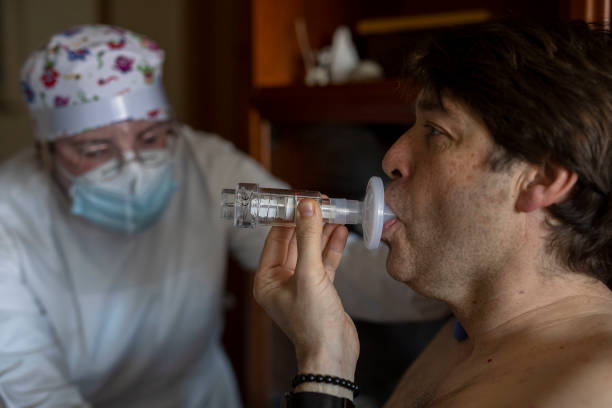
Physical therapy represents one of Italy’s fastest-growing healthcare professions, driven by aging demographics, sports medicine expansion, and increasing recognition of rehabilitation’s cost-effectiveness. Italian physiotherapists enjoy diverse employment settings and growing professional autonomy.
Education and Professional Recognition
Italian physiotherapy education requires a three-year bachelor’s degree (Laurea in Fisioterapia) following secondary school completion. Programs emphasize musculoskeletal, neurological, and cardiopulmonary rehabilitation through extensive clinical placements. Master’s degrees and specializations in manual therapy, sports physiotherapy, or pediatric rehabilitation require additional 1-2 year programs.
EU physiotherapists receive automatic recognition under mobility directives. Non-EU professionals must undergo nostrification through the Ministry of Education, often requiring curriculum comparison and compensatory training. Registration with the provincial Albo dei Fisioterapisti is mandatory for practice. Italian language proficiency at B2-C1 level is essential for patient interaction and documentation.
Employment Settings and Specializations
Public hospital employment provides stability and comprehensive benefits, with physiotherapists working in orthopedic, neurological, and respiratory rehabilitation units. Salaries range from €25,000 (entry-level) to €40,000 (senior positions) with incremental increases.
Private practice offers greater income potential and autonomy. Italian physiotherapists may operate independent clinics, work within multidisciplinary sports medicine centers, or provide home-based rehabilitation services. Private sector earnings vary widely—€30,000-€80,000+ depending on specialization, location, and patient volume.
Sports physiotherapy represents a prestigious niche, with employment opportunities at professional football clubs, Olympic training centers, and private sports clinics. These positions require advanced certifications and often involve travel with athletic teams.
Neurological rehabilitation, particularly post-stroke and spinal cord injury, offers rewarding work in specialized centers. Pediatric physiotherapy serves children with developmental disorders, cerebral palsy, and congenital conditions through early intervention programs.
Emerging Opportunities
Geriatric rehabilitation expands rapidly as Italy’s elderly population grows. Physiotherapists specializing in fall prevention, osteoporosis management, and frailty rehabilitation find abundant opportunities in residential care and home care settings.
Digital health integration creates new roles—telerehabilitation platforms, wearable technology prescription, and virtual reality therapy programs require physiotherapists with technological competencies.
Corporate wellness programs employ physiotherapists for ergonomic assessments, workplace injury prevention, and employee fitness programming, particularly in manufacturing and logistics sectors.
Professional Development and Challenges
Continuing education is mandatory, with physiotherapists required to complete 150 hours of accredited training every three years for registration renewal. Specialization certifications from international bodies (OCS, SCS, GCS from the American Board of Physical Therapy Specialties) enhance credibility despite lacking formal Italian recognition.
Challenges include reimbursement pressures in public healthcare, competition from unregulated “physical rehabilitation operators” lacking formal qualifications, and regional disparities in service access. However, professional recognition continues improving, with physiotherapists increasingly included in primary care teams and chronic disease management pathways.


Leave a Reply