
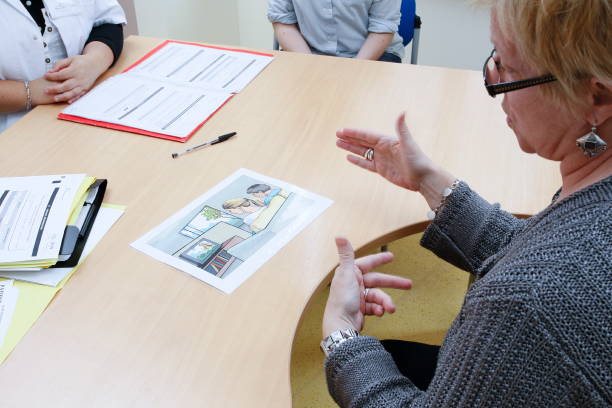
Italy’s healthcare landscape is undergoing a profound linguistic transformation. As a destination for migration, international study, and cross-border mobility, the Servizio Sanitario Nazionale (SSN) routinely serves patients whose primary language is not Italian. For medical residents navigating wards, emergency departments, and outpatient clinics, this reality is no longer exceptional—it is daily practice. Working effectively with a professional medical interpreter is not merely a courtesy; it is a clinical imperative. When integrated correctly, interpreters enhance diagnostic accuracy, improve treatment adherence, reduce medico-legal risk, and uphold the ethical foundation of equitable care. This guide outlines evidence-based strategies tailored to the Italian clinical environment, helping residents transform interpreted encounters from logistical hurdles into opportunities for safer, more patient-centered medicine.
The Italian Context: Legal and Ethical Foundations
In Italy, the right to understand one’s health status and proposed treatments is enshrined in Law 219/2017, which mandates that informed consent be obtained only when the patient fully comprehends the information provided. The Charter of Patient Rights and regional healthcare directives further reinforce this principle. Yet, in practice, linguistic barriers are frequently managed informally: relatives, bilingual nurses, or even basic translation apps are pressed into service. While well-intentioned, ad hoc interpretation carries significant risks. Family members may omit sensitive information, filter clinical details through cultural lenses, or lack medical vocabulary. Bilingual staff, though valuable, are rarely trained in interpreting ethics and may experience role conflict.
Professional medical interpreters in Italy operate under emerging regional frameworks rather than a unified national certification system. Hospitals in Lombardy, Emilia-Romagna, and Lazio have established dedicated linguistic mediation services, often employing trained mediatori linguistico-culturali or collaborating with university programs. Residents must recognize that a qualified interpreter adheres to strict codes of confidentiality, accuracy, and neutrality. Their role is not to advise, advocate, or simplify clinical content, but to convey meaning faithfully across languages and cultural contexts. Understanding this distinction is the first step toward effective collaboration.
Before the Encounter: Preparation Is Key
Effective interpreting begins long before the consultation. Residents should request an interpreter through official hospital or ASL channels as early as possible, ideally when scheduling the appointment or upon admission. Last-minute requests often result in untrained substitutes or compromised care. Once confirmed, provide a brief but structured briefing: outline the patient’s clinical background, the purpose of the visit, key terminology that will be used, and any culturally or emotionally sensitive topics (e.g., palliative care, mental health, reproductive decisions). This allows the interpreter to prepare accurate equivalents and anticipate potential pitfalls.
Clarify expectations explicitly. Emphasize that the interpreter will render everything said in the first person, maintain confidentiality, and remain impartial. Avoid asking interpreters to summarize, edit, or offer cultural opinions unless specifically requested within their professional scope. Prepare all written materials—consent forms, medication instructions, referral letters—in advance, and ensure they will be translated or explained accurately during the session. If the patient uses a specific dialect or comes from a region with distinct health beliefs, note this so the interpreter can adjust register or clarify concepts without distortion.
During the Consultation: Mastering the Triadic Dynamic
The interpreted medical interview operates as a triadic conversation, requiring deliberate communication habits. Begin by arranging seating in a triangular formation: you, the patient, and the interpreter. Maintain eye contact primarily with the patient, not the interpreter, to preserve the therapeutic alliance. Speak directly to the patient using “you” and “I,” and allow the interpreter to relay your words in the appropriate pronoun. This may feel unnatural initially, but it reinforces patient autonomy and prevents the interpreter from being cast as a third clinical authority.
Pace your speech deliberately. Deliver information in concise, logical segments—typically one or two sentences—then pause. Avoid medical jargon, acronyms, or idiomatic expressions that do not translate cleanly. Instead of saying “We’ll start you on a beta-blocker to control your afterload,” say “I am prescribing a medication that will slow your heart rate and lower the pressure your heart must pump against.” If technical terms are unavoidable, ask the interpreter to explain them in the patient’s language after rendering the original phrase.
Resist the urge to fill silences. Interpreting requires cognitive processing; overlapping speech causes errors and increases fatigue. If the patient becomes emotional or asks a complex question, allow the interpreter to manage the flow without interruption. Use teach-back techniques through the interpreter: “Can you explain in your own words how you will take this medication?” This verifies comprehension without placing the burden of assessment on the interpreter.
Family members often attempt to interject or “help” translate. Acknowledge their concern politely but firmly redirect: “Thank you for your support. To ensure accuracy, I am working with a professional interpreter who will convey everything precisely.” This preserves clinical integrity while respecting familial involvement, a culturally significant dynamic in Italian healthcare settings.
Navigating Italian-Specific Challenges
Residents in Italy encounter unique linguistic and cultural complexities. Many patients speak regional dialects that differ substantially from standard Italian, while others navigate multiple languages due to migration from Eastern Europe, North Africa, Asia, or Latin America. An interpreter proficient in Romanian may not understand Romani; someone fluent in Arabic may not grasp Maghrebi dialects. When booking, specify the patient’s exact linguistic background whenever possible.
Resource constraints in public hospitals can limit access to specialized interpreters, particularly for rare languages or after-hours care. In such cases, utilize regional telephonic or video interpreting networks rather than defaulting to staff or relatives. Document these limitations transparently in the clinical record and escalate through departmental channels if frequent barriers compromise care.
Additionally, Italy’s traditionally hierarchical medical culture can inadvertently marginalize interpreters. Residents must actively include them in the care team, introduce them by name, and acknowledge their professional expertise. A respectful, collaborative tone encourages accuracy and reduces power imbalances that distort communication.
After the Session: Documentation and Continuous Improvement
Conclude the encounter by ensuring the interpreter has conveyed all closing instructions, follow-up plans, and emergency warnings. In the clinical record, document the interpreter’s name, agency, language pair, and mode of delivery (in-person, video, or telephone). Note that informed consent was obtained through professional interpretation. This creates an audit trail and protects both patient and clinician.
Provide constructive feedback to your hospital’s linguistic mediation service. If terminology was consistently misunderstood, or if pacing adjustments improved flow, share these observations. Many Italian ASLs welcome resident input to refine training protocols and resource allocation. Finally, reflect on your own communication habits. Did you pause adequately? Did you verify understanding? Self-assessment transforms each interpreted encounter into a learning opportunity.
Conclusion
Working effectively with a medical interpreter is a core clinical skill, not an administrative add-on. For Italian residents, mastering this triadic dynamic aligns with national legal standards, enhances patient safety, and reflects the SSN’s commitment to universal, equitable care. By preparing thoroughly, communicating deliberately, respecting professional boundaries, and documenting meticulously, clinicians can turn linguistic diversity into a catalyst for higher-quality medicine. As Italy’s patient population continues to globalize, residents who invest in interpreter collaboration today will lead the next generation of culturally competent, legally sound, and clinically excellent practice.





Leave a Reply