
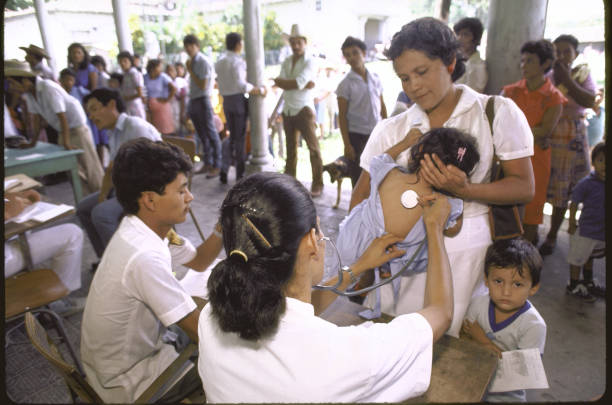
The Operatore Socio-Sanitario (OSS) — roughly translated as Community Health Worker or Healthcare Support Worker — is one of the most important and frequently sought-after healthcare roles in Italy. Positioned between the social and health sectors, the OSS provides direct care to elderly, disabled, chronically ill, and vulnerable individuals in a range of settings: hospitals, residential care homes, day care centers, and patients’ own homes.
For immigrant professionals, particularly those from West Africa, Eastern Europe, the Philippines, and Latin America, the OSS role has become a major point of entry into Italy’s formal healthcare system. With a relatively short training program (typically 1,000 hours), accessible qualification requirements, and strong demand across Italy, it represents one of the most attainable and immediately employable healthcare qualifications for foreign nationals.
What Does an OSS Do?
The OSS works under the supervision of nurses and physicians to provide personal care, hygiene assistance, mobility support, and emotional companionship to people who are unable to care for themselves independently. Key responsibilities include: assisting patients with bathing, dressing, and grooming; helping with mobility and the use of assistive devices; monitoring and reporting changes in patient condition; preparing and administering simple medical procedures under nursing supervision; providing basic psychological support; and ensuring a clean, safe, and dignified care environment.
In residential care homes (RSA) for the elderly — a rapidly expanding sector as Italy’s population ages — OSS workers form the backbone of daily care delivery. The work is physically and emotionally demanding, but it is also deeply human and meaningful, involving sustained relationships with vulnerable people at critical stages of their lives.
In home care settings (assistenza domiciliare), the OSS plays an especially important role, as they often become a trusted presence in a patient’s home, supporting both the individual and their family.
Qualifications and Training
The OSS qualification is a regional professional certification regulated by a national framework agreement (Accordo Stato-Regioni) from 2001. The training program consists of at least 1,000 hours, divided between theoretical classroom study and supervised clinical placements. Courses are offered by accredited training institutions (enti di formazione accreditati) and community colleges throughout Italy.
The curriculum covers: human anatomy and physiology basics, personal hygiene and patient care techniques, patient communication and psychology, safety and infection control, documentation and reporting, and legal and ethical aspects of care work.
For foreign nationals, OSS training is accessible even without prior healthcare qualifications. Italian language proficiency (typically B1–B2 level) is required to follow the course and pass assessments. Those who have completed equivalent training in other countries may apply for credential recognition, though the process varies by region. Funding for OSS training is often available through regional employment programs (fondi europei per la formazione) for unemployed or low-income workers, making it financially accessible for many immigrants.
Employment Market and Salary
Demand for OSS workers in Italy is enormous and growing. The Italian National Institute for Public Policy Analysis (INAPP) has identified care work as one of the top sectors with chronic labour shortages, driven primarily by demographic aging. Hundreds of thousands of OSS positions are filled each year, and employers — from large healthcare cooperatives to small private care homes — actively recruit from immigrant communities.
Salaries for OSS workers range from approximately €1,100 to €1,500 net per month for full-time employment in the public or cooperative sector, with some private employers offering higher rates. Night shift and weekend supplements can significantly increase monthly earnings. The sector is largely governed by the national CCNL (Contratto Collettivo Nazionale di Lavoro) for cooperative workers or for public health sector employees, both of which provide strong labor protections.
Many immigrant OSS workers use this role as a launching pad for further study — progressing toward nursing degrees, physiotherapy, or other healthcare qualifications, often with employer support for continuing education.
Multilingual and Multicultural Value
An OSS who speaks the native language of elderly immigrant patients or who understands their cultural background brings immeasurable value to care settings. Many Italian cities now have substantial communities of elderly immigrants — particularly from Eastern Europe — who feel more comfortable being cared for by someone who shares their language and cultural references.
Similarly, in settings serving recently arrived asylum seekers or refugee families, an OSS with language skills in Arabic, Tigrinya, Somali, or French can dramatically improve care quality and patient wellbeing. Employers increasingly recognize this multilingual capacity as a hiring advantage and may prioritize candidates who can serve diverse patient populations.
Conclusion
The Operatore Socio-Sanitario role is an excellent entry point into Italy’s healthcare system for immigrant professionals seeking a stable, meaningful career. The training is accessible, the demand is consistently high, and the work — though challenging — offers genuine human connection and professional growth. For those who wish to progress further in healthcare, the OSS qualification provides a solid foundation from which to build a long-term career in Italy’s evolving health and social care sector.




Leave a Reply